How to Fix Windows 10/11 Driver Errors and Device Issues
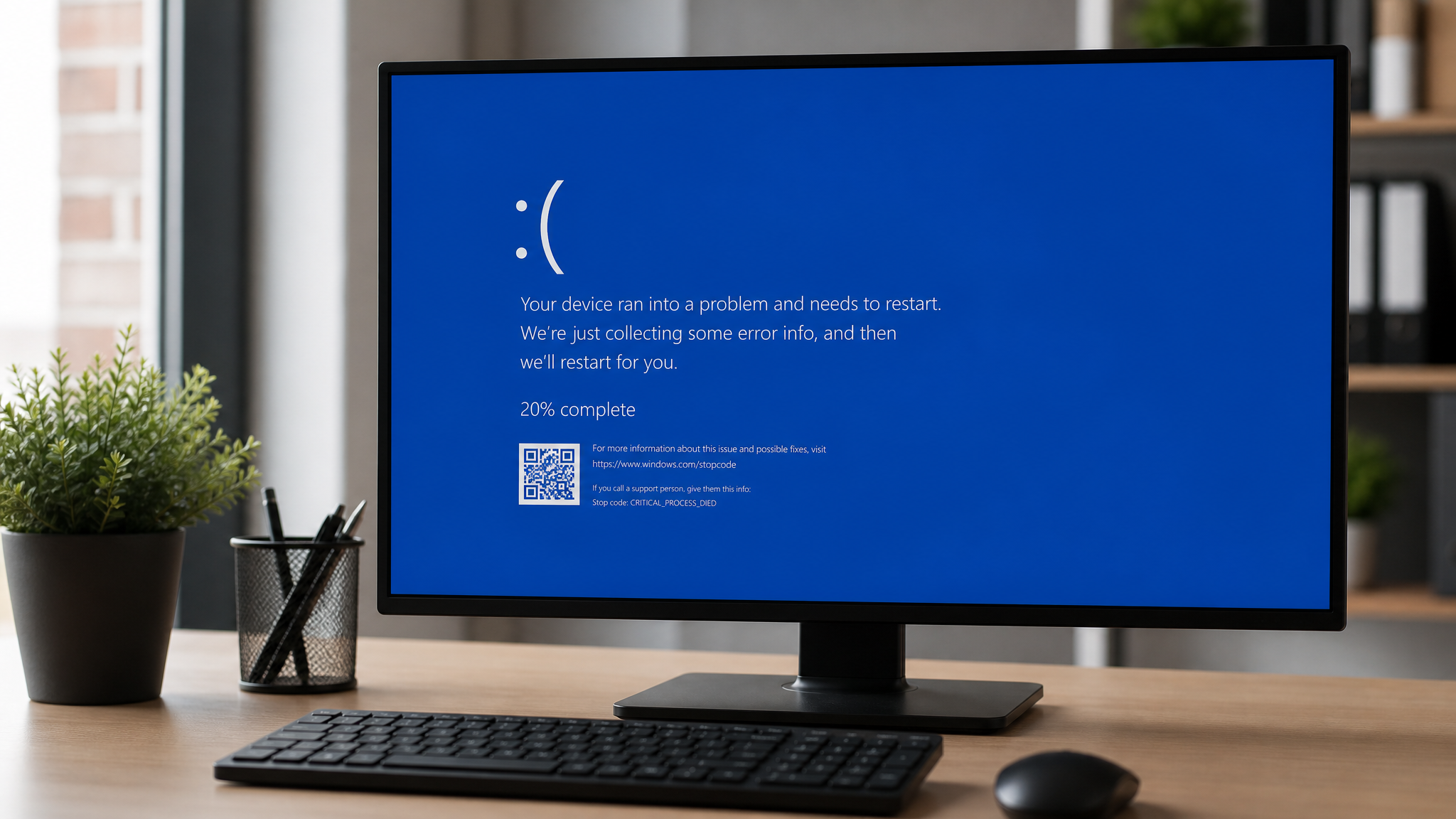
Driver errors are among the most frustrating problems Windows users face. One day your PC is running fine; the next, a yellow exclamation mark appears in Device Manager, your audio disappears, or your system crashes with a cryptic stop code. The good news is that most driver issues are fixable — if you know where to look.
This guide walks you through diagnosing and resolving the most common Windows driver errors, from simple reinstalls to deeper system-level fixes.
---
What Are Driver Errors and Why Do They Happen?
A **device driver** is a small software program that lets Windows communicate with hardware — your graphics card, network adapter, printer, USB controller, and more. When a driver is missing, outdated, or corrupted, Windows can't talk to that hardware properly.
Common causes include:
Windows Update replacing a working driver with an incompatible version
Incomplete installations that leave corrupted driver files behind
Hardware changes that conflict with existing drivers
Malware or disk errors corrupting driver files
---
Step 1: Check Device Manager for Error Codes
Press Win + X and select **Device Manager**, or run devmgmt.msc from the Run dialog (Win + R).
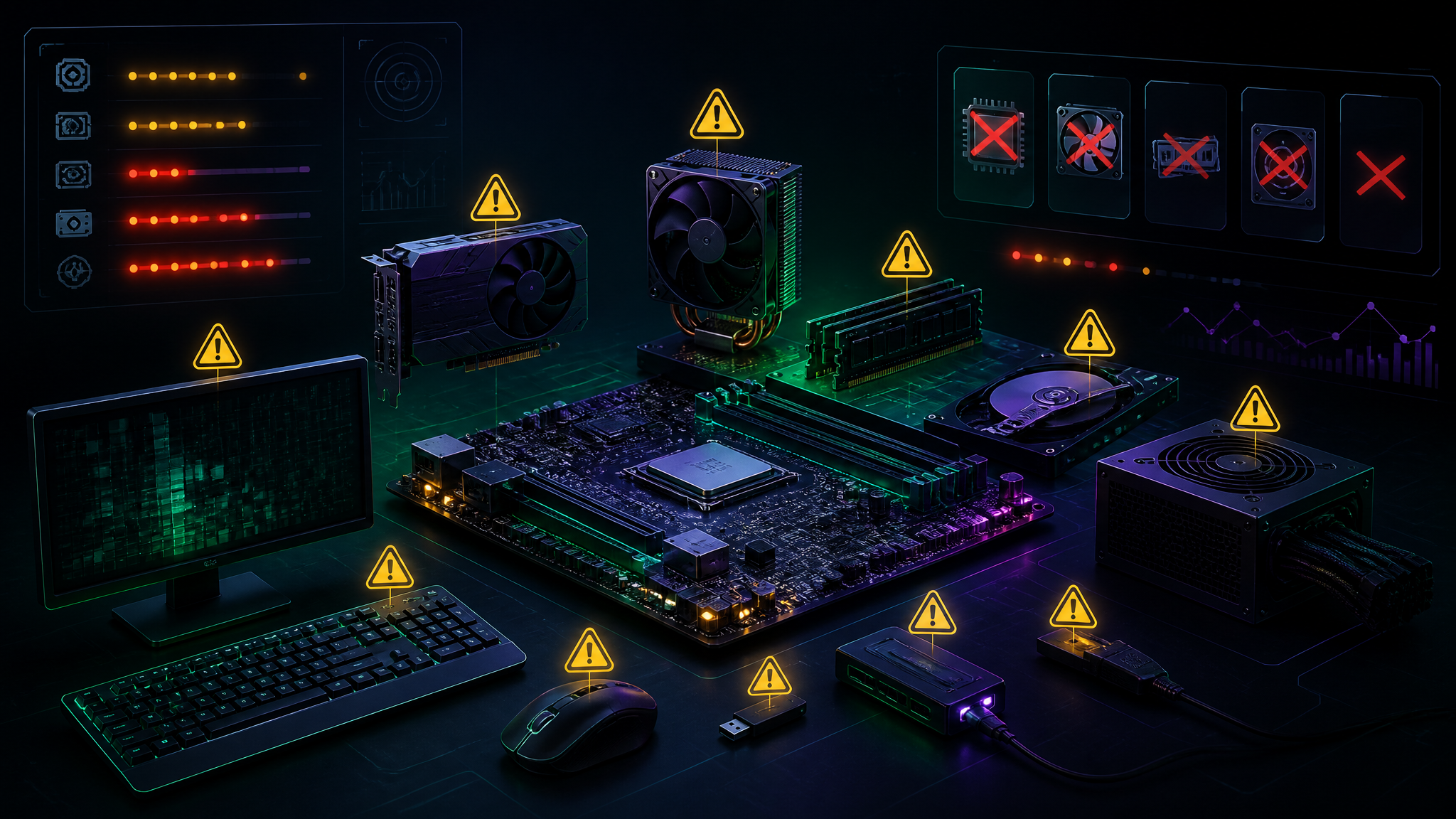
Look for devices marked with a yellow exclamation mark, red X, or question mark. Right-click the flagged device → **Properties** → check the **Device status** box. Common error codes:
Code 10 — device cannot start (corrupted or missing driver)
Code 28 — drivers not installed
Code 43 — device reported a failure (common with USB and GPU)
Code 45 — device not connected (hardware or driver mismatch)
Note the code — it tells you exactly what kind of fix to apply.
---
Step 2: Update or Reinstall the Driver
Update via Device Manager
Right-click the problem device → **Update driver** → **Search automatically for drivers**.
Download Directly from the Manufacturer
For best results, go straight to the manufacturer's website — NVIDIA, AMD, or Intel for graphics; Realtek or Intel for audio and network; your PC brand's support page for bundled hardware. Download the latest driver package, run the installer, and reboot.
Perform a Clean Reinstall
Right-click the device → **Uninstall device**
Check **Delete the driver software for this device** if the option appears
Reboot — Windows reinstalls a basic driver automatically
Install the manufacturer's driver on top
For GPU drivers, use **Display Driver Uninstaller (DDU)** in Safe Mode for a truly clean slate.
---
Step 3: Roll Back a Driver That Broke Things
If a recent update caused the problem, rolling back is often the fastest fix:
Open **Device Manager**
Right-click the device → **Properties** → **Driver** tab
Click **Roll Back Driver**
Alternatively, use **System Restore** to revert to a point before the bad driver was installed.
---
Step 4: Run SFC and DISM to Repair System Files
Corrupted system files — including driver-related DLLs — can cause persistent errors. Open an elevated Command Prompt and run:
```
sfc /scannow
```
This scans and repairs corrupted Windows files. Follow it with:
```
DISM /Online /Cleanup-Image /RestoreHealth
```
This repairs the Windows component store, which is the source of truth for system files and drivers.
---
Step 5: Audit Drivers with PowerShell
For a full picture of every driver on your system, open **PowerShell as Administrator** and run:
```powershell
Get-WindowsDriver -Online | Sort-Object ProviderName | Format-Table ProviderName, Driver, Version, Date -AutoSize
```
This lists all third-party drivers with their version and date. Outdated entries — especially those more than a year old — are prime candidates for an update. Export to a file for easier review:
```powershell
Get-WindowsDriver -Online | Export-Csv C:\drivers_audit.csv -NoTypeInformation
```
---
Common Driver Error Scenarios and Quick Fixes
Audio Device Not Working
Check **Sound, video and game controllers** in Device Manager
Reinstall the Realtek or Intel HD Audio driver from your motherboard manufacturer's site
Run the **Playing Audio** troubleshooter in Settings
Network Adapter Missing After Update
Boot into Safe Mode with Networking
Roll back the network adapter driver or reinstall from the manufacturer's site
Run `netsh winsock reset` in an elevated Command Prompt, then reboot
GPU Driver Crash (Code 43)
Use DDU in Safe Mode to fully remove the existing GPU driver
Download the latest driver directly from NVIDIA, AMD, or Intel
Check GPU temperatures — overheating can trigger driver failures
USB Devices Not Recognized
Expand **Universal Serial Bus controllers** in Device Manager
Uninstall all USB Root Hub entries, then reboot to let Windows reinstall them
Verify the USB storage driver is enabled at `HKEY_LOCAL_MACHINE\SYSTEM\CurrentControlSet\Services\USBSTOR` (Start value should be `3`)
---
Use PC Diagnostic Analyzer for a Faster Diagnosis
Manually hunting through Device Manager and Event Viewer works, but it's time-consuming. **PC Diagnostic Analyzer** automates the entire process — it scans your system's diagnostic data, flags driver-related errors, and surfaces the exact devices and error codes causing problems in one clear report.
Instead of clicking through dozens of menus, you upload your diagnostic file and **PC Diagnostic Analyzer** pinpoints which drivers are failing, which are outdated, and which are conflicting — saving you hours of manual investigation.
---
Preventing Driver Problems in the Future
Create a restore point before installing any new driver
Pause Windows Update briefly after major feature updates to let compatibility issues surface
Audit drivers quarterly using PowerShell or a dedicated tool
Keep manufacturer software updated — GPU control panels and chipset utilities often bundle critical driver fixes
---
Conclusion
Driver errors don't have to derail your workday. By checking Device Manager error codes, updating or rolling back drivers, running sfc /scannow and DISM, and auditing installed drivers with PowerShell, you can resolve the vast majority of hardware issues without professional help.
For a faster, more thorough diagnosis, try **PC Diagnostic Analyzer** — the free tool that reads your Windows diagnostic data and instantly identifies driver failures, conflicts, and outdated components. Stop guessing and start fixing: run your first scan today and get a clear picture of exactly what's wrong with your PC.
Found this helpful?
Share it with someone who could use it.
DiagnoseMyPC Team
Expert PC diagnostics and troubleshooting guides to help you keep your Windows system running smoothly.
Frequently Asked Questions
How do I find out exactly what's causing my PC problem?
The fastest way is to let an AI analyzer read your actual system data instead of guessing. You can paste an error message, upload a screenshot, or run a quick diagnostic and get the specific cause ranked by severity. Try a free AI diagnosis at diagnosemypc.com — no account needed to get started.
Is it safe to run fix commands on my own PC?
Yes, as long as you understand what each command does. PC Diagnostic Analyzer always shows you the exact fix script first so you stay in full control of what runs on your computer — nothing is executed automatically without your review.
Do I need to reinstall Windows to fix this?
Usually not. Most performance, crash, driver, and startup problems can be fixed with targeted steps once you know the real cause. A full reinstall should be a last resort — start with a proper diagnosis before wiping anything.
When should I take my PC to a repair shop instead?
If a diagnosis points to failing hardware (a dying drive, bad RAM, or overheating components) and you're not comfortable opening the case, a shop is worth it. For software, driver, and configuration issues, you can almost always fix it yourself with step-by-step guidance.