Why Is My PC Starting Up So Slowly?
If your Windows PC takes forever to reach the desktop, you're not alone. Slow boot times are one of the most common performance complaints among Windows 10 and 11 users. The culprit is rarely a single issue — it's usually a combination of too many startup programs, outdated drivers, a fragmented hard drive, or even malware quietly running in the background.
The good news? Most slow-startup problems are fixable without spending a cent. This guide walks you through every major cause and the exact steps to resolve each one.
---
Step 1: Enable Fast Startup in Windows
Windows includes a built-in feature called **Fast Startup** that dramatically reduces boot time by saving a snapshot of the kernel to disk when you shut down.
To enable it:
Open **Control Panel** → **Power Options**.
Click **Choose what the power buttons do** in the left panel.
Select **Turn on fast startup (recommended)**.
Click **Save changes**.
If the option is greyed out, you may need to enable hibernation first. Open an elevated Command Prompt and run:
```
powercfg /hibernate on
```
Fast Startup alone can shave 10–30 seconds off your boot time on most systems.
---
Step 2: Audit and Disable Startup Programs
Every program that launches at startup competes for CPU, RAM, and disk resources — slowing everything down. Over time, installed software quietly adds itself to the startup queue without asking.
How to Disable Startup Programs
Press `Ctrl + Shift + Esc` to open **Task Manager**.
Click the **Startup** tab.
Review the **Startup impact** column (High, Medium, Low).
Right-click any **High** impact program you don't need immediately at boot and select **Disable**.
Common offenders include:
Spotify**, **Discord**, **Teams — launch them when you need them
OneDrive**, **Google Drive — can be delayed or disabled if not critical
Adobe updaters** and **Creative Cloud — notorious for high startup impact
Browser helpers and **chat clients**
Disabling 5–10 unnecessary startup programs can cut boot time by 20–40 seconds on a traditional hard drive.
---
Step 3: Check Your Storage Drive Health
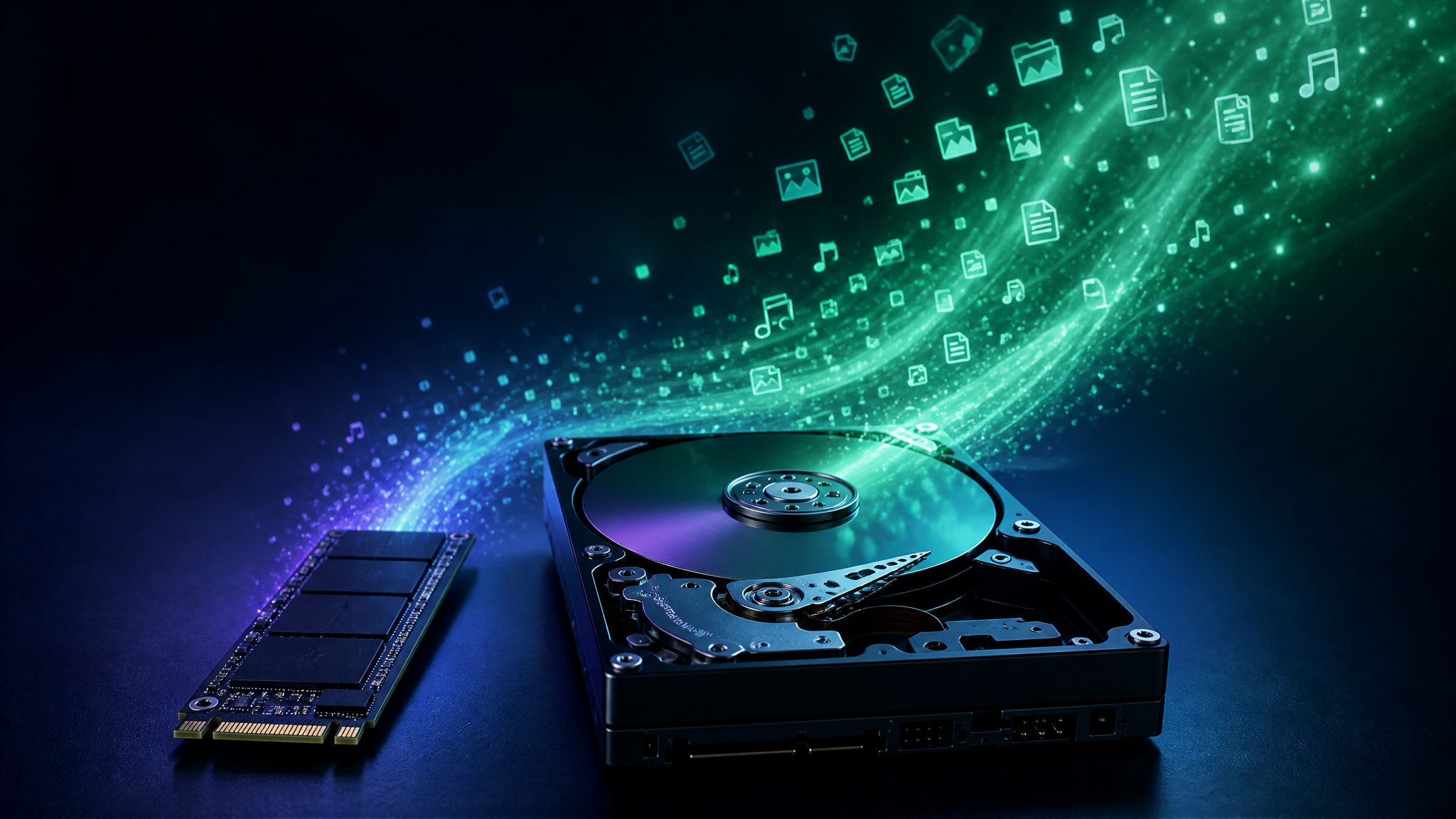
A failing or nearly full hard drive is one of the biggest hidden causes of slow boot times. If your system drive is a traditional **HDD (Hard Disk Drive)** rather than an **SSD (Solid State Drive)**, you're already at a disadvantage — but a degraded HDD makes things far worse.
Run a Drive Health Check
Open PowerShell as Administrator and run:
```powershell
Get-PhysicalDisk | Select-Object FriendlyName, MediaType, OperationalStatus, HealthStatus
```
If HealthStatus shows **Warning** or **Unhealthy**, your drive may be failing and should be replaced.
For a deeper scan, use the built-in tool:
```
chkdsk C: /f /r
```
This checks for bad sectors and file system errors that can dramatically slow read speeds during boot.
**PC Diagnostic Analyzer** can automatically scan your storage drives for health issues, bad sectors, and performance bottlenecks — giving you a clear picture of whether your drive is the root cause of your slow startup.
---
Step 4: Update or Roll Back Drivers
Outdated or corrupt device drivers — especially for your **chipset**, **storage controller**, or **graphics card** — can cause Windows to hang during the boot sequence.
Update Drivers via Device Manager
Press `Win + X` and select **Device Manager**.
Look for any devices with a **yellow warning triangle**.
Right-click the flagged device → **Update driver** → **Search automatically**.
For storage controllers specifically, navigate to:
```
Device Manager → Disk drives → [Your Drive] → Properties → Driver tab
```
If a recent driver update caused the slowdown, use **Roll Back Driver** to revert to the previous version.
---
Step 5: Adjust Virtual Memory Settings
If your PC has limited RAM (8 GB or less), Windows uses a **pagefile** on your storage drive as virtual memory. A misconfigured pagefile can cause significant boot delays.
To optimize it:
Press `Win + R`, type `sysdm.cpl`, and press Enter.
Go to **Advanced** → **Performance** → **Settings**.
Click the **Advanced** tab → **Change** under Virtual Memory.
Uncheck **Automatically manage paging file size**.
Select your system drive, choose **Custom size**, and set:
- **Initial size**: 1.5× your RAM in MB (e.g., 12288 for 8 GB RAM)
- **Maximum size**: 3× your RAM in MB (e.g., 24576 for 8 GB RAM)
Click **Set** → **OK** → Restart.
---
Step 6: Scan for Malware
Malware and adware frequently embed themselves in the startup sequence, consuming resources before you even reach the desktop. A slow boot that appeared suddenly — without any software changes — is a classic sign of infection.
Run a full scan using **Windows Defender**:
```powershell
Start-MpScan -ScanType FullScan
```
Or open **Windows Security** → **Virus & threat protection** → **Quick scan**.
For stubborn infections, boot into **Windows Safe Mode** (press F8 during startup) and run the scan from there, where malware has fewer places to hide.
---
Step 7: Consider Upgrading to an SSD
If you've tried every software fix and your PC still boots slowly, the hardware itself may be the bottleneck. Traditional HDDs have mechanical read heads that are simply slow compared to modern SSDs.
Boot Time Comparison
| Drive Type | Typical Boot Time |
|---|---|
| HDD (5400 RPM) | 60–120 seconds |
| HDD (7200 RPM) | 40–80 seconds |
| SATA SSD | 15–25 seconds |
| NVMe SSD | 8–15 seconds |
Upgrading from an HDD to a **SATA SSD** is the single most impactful hardware upgrade you can make for boot speed — often reducing startup time by 70–80%.
---
Step 8: Run a Full PC Diagnostic
Slow boot times are often a symptom of multiple overlapping issues. Rather than guessing, the most efficient approach is to run a comprehensive diagnostic that checks all the relevant components at once.
**PC Diagnostic Analyzer** performs a full system scan covering CPU performance, RAM health, storage drive status, startup program impact, and driver integrity — then presents a prioritized list of issues to fix. It takes the guesswork out of troubleshooting and tells you exactly what's slowing your machine down.
---
Quick-Reference Checklist
Enable Fast Startup via Power Options
Disable high-impact startup programs in Task Manager
Check drive health with `chkdsk` or PowerShell
Update or roll back problematic drivers
Optimize virtual memory pagefile settings
Scan for malware with Windows Defender or Safe Mode scan
Upgrade to SSD if hardware is the bottleneck
---
Take Back Your Morning
A slow startup is a daily frustration that compounds over time — but it's almost always fixable. Work through the steps above in order, and you'll likely identify the culprit within the first three or four checks.
Ready to stop guessing and get a definitive answer? Try **PC Diagnostic Analyzer** for free — it scans your entire system in minutes and gives you a clear, actionable report so you can fix your slow startup today and keep your PC running at peak performance long-term.
Found this helpful?
Share it with someone who could use it.
DiagnoseMyPC Team
Expert PC diagnostics and troubleshooting guides to help you keep your Windows system running smoothly.
Frequently Asked Questions
Why is my PC still slow after I cleaned it up?
Generic cleanup often misses the real bottleneck — a background process pinning your disk, a driver conflict, or low available RAM. An AI diagnosis reads your actual system data to pinpoint what's actually slowing you down instead of deleting files at random. Run a free scan at diagnosemypc.com.
Will adding more RAM speed up my computer?
It helps if you're regularly running out of memory (high RAM usage, lots of open tabs or apps). But if the bottleneck is a slow hard drive, a startup bloat problem, or a background process, more RAM won't fix it. Diagnose first, then upgrade.
How often should I check my PC's performance?
A quick monthly check is enough for most people, plus a scan any time you notice new slowdowns, crashes, or after a big Windows update. Catching issues early keeps small problems from turning into crashes or data loss.
Is a free performance scan actually useful?
Yes — a free AI scan gives you a real, prioritized list of what's wrong with your system. For one-click fix scripts and detailed step-by-step guides, there's an affordable $4.99 Fix Pass, but the diagnosis itself is free.